Ages 4–8
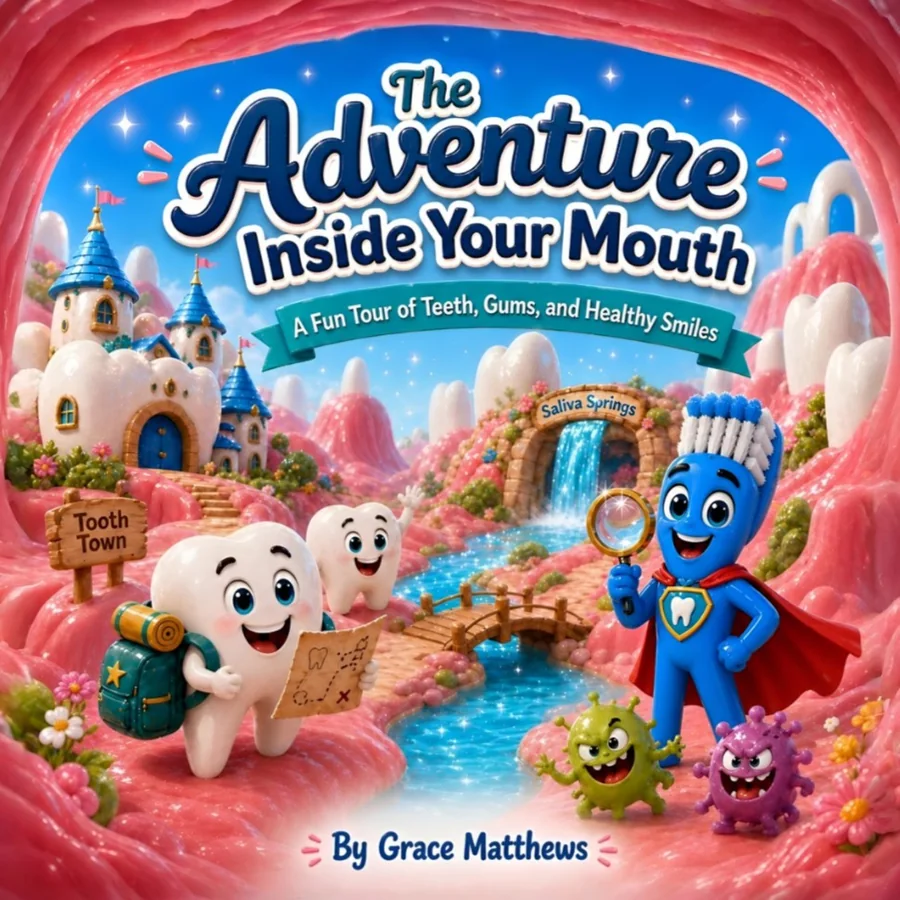
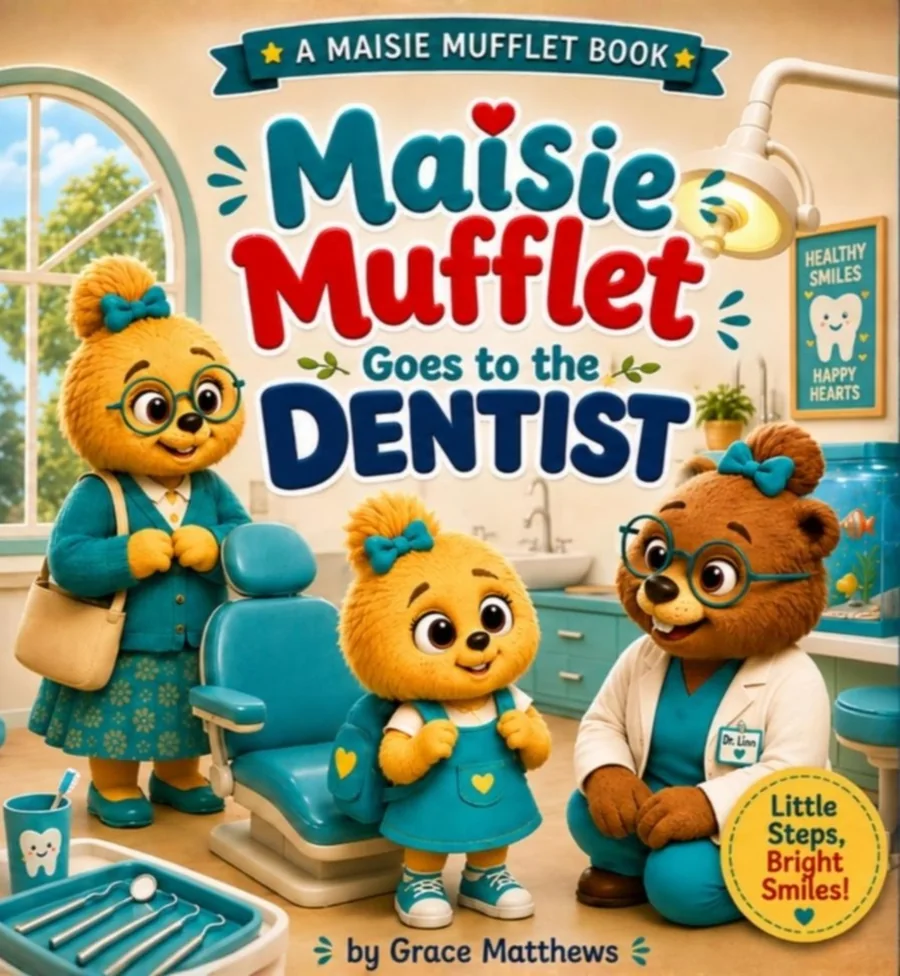
Healthy Smiles
Explore teeth, gums, brushing, dental visits, and everyday habits through approachable facts and friendly stories.
- Parts of a tooth
- The two-minute brushing challenge
- Choosing a toothbrush
- Smile safety

Discover, Learn & Grow
Explore fascinating facts, practical skills, and approachable lessons about healthy smiles, amazing animals, money, and the world around us.
Free Learning Library
Go directly to either free dental book, visit the complete Healthy Smile Learning Center, or browse every free resource on the website.
 Featured Learning HubHealthy Smile Learning CenterOpen the complete dental-health area with two free educational books, Maisie’s dentist story, all four Tooth Town games, Smile Squad books, and grown-up guidance.Visit the Dental Health Center
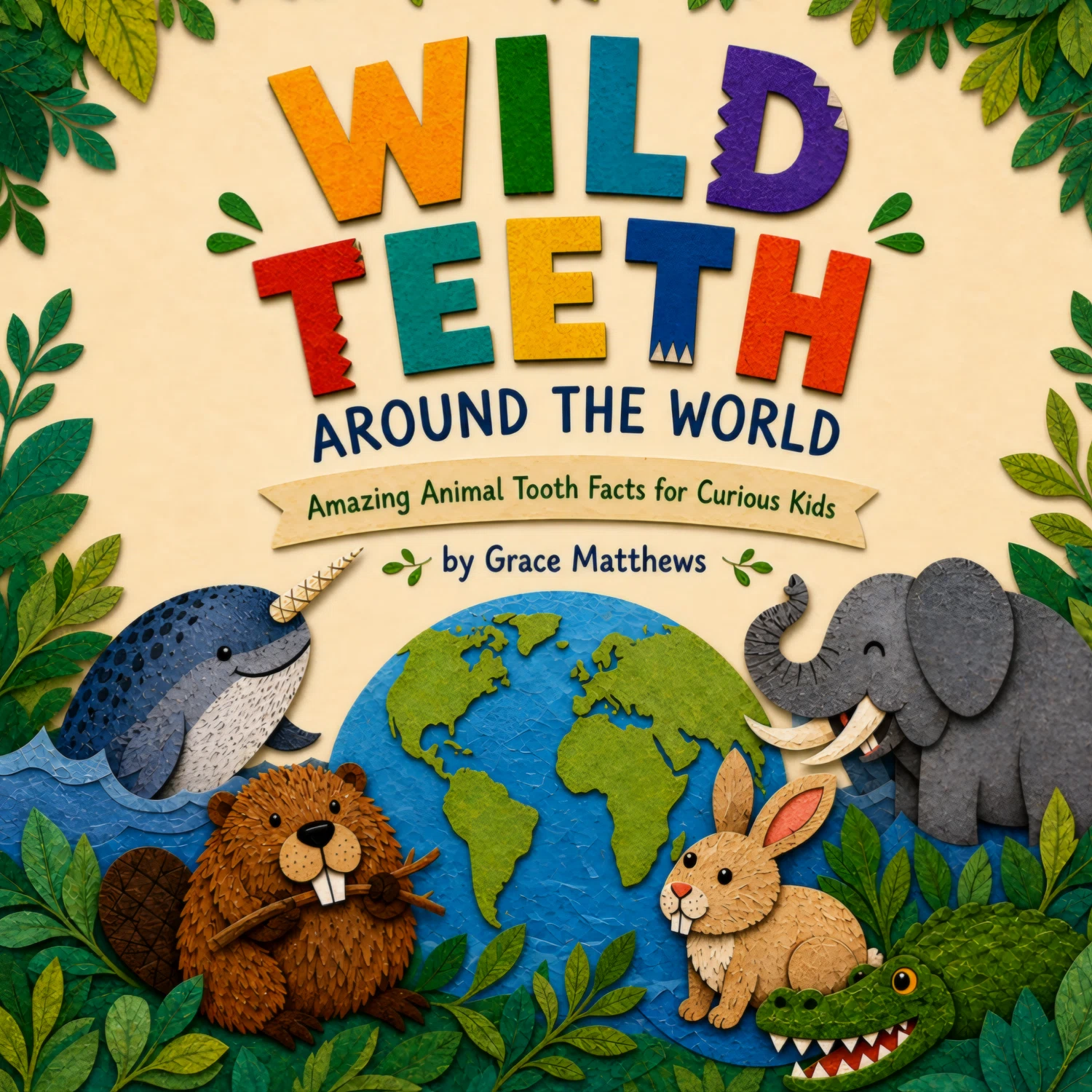 Free to Read OnlineWild Teeth Around the WorldExplore remarkable animal teeth and the science behind every bite.Read Free
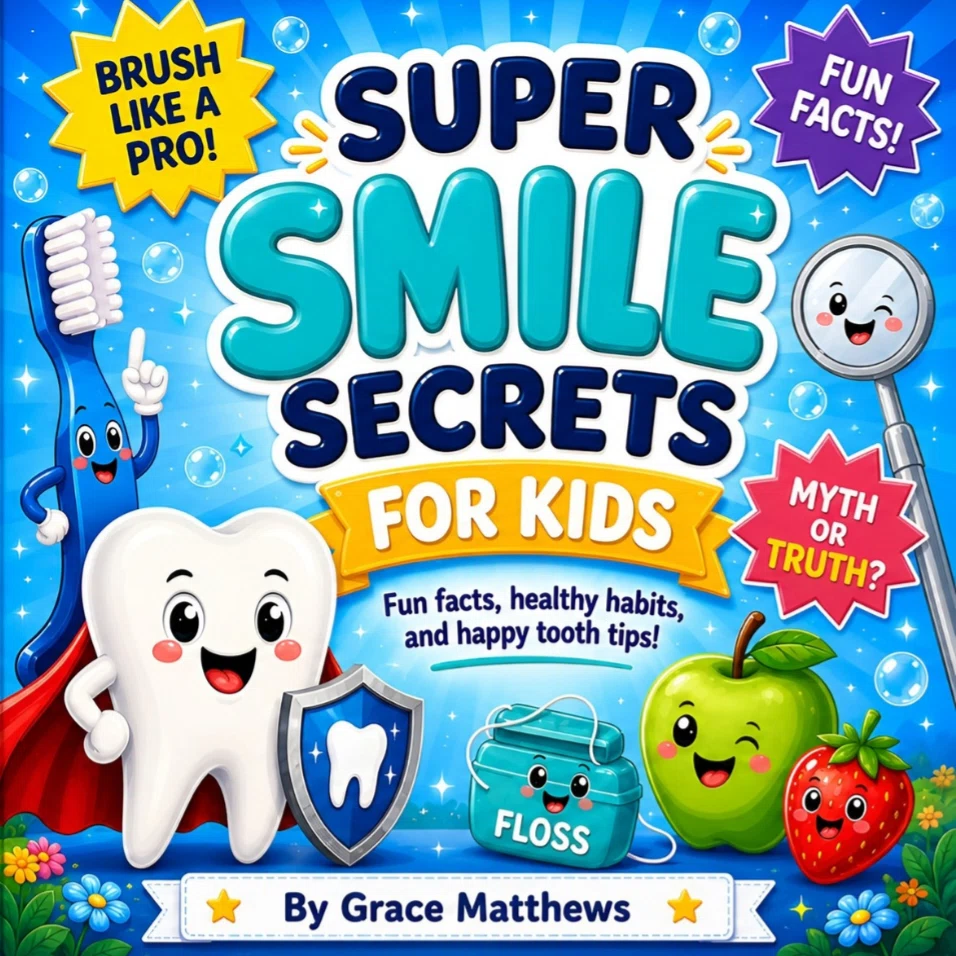 Free to Read OnlineSuper Smile Secrets for KidsDiscover friendly facts and simple habits for healthier smiles.Read Free
All Free ResourcesBooks, Games & MoreFind all three free books and every current browser game in one place.Explore Freebies
Free to Read OnlineSuper Smile Secrets for KidsDiscover friendly facts and simple habits for healthier smiles.Read Free
All Free ResourcesBooks, Games & MoreFind all three free books and every current browser game in one place.Explore Freebies
Choose a Learning Path
Each path begins with books already available from Grace Matthews Books and can grow into articles, printables, activities, and educational games over time.
Ages 4–8
Explore teeth, gums, brushing, dental visits, and everyday habits through approachable facts and friendly stories.
Ages 2–7
Discover how animals use teeth and tooth-like structures to eat, defend themselves, build homes, and survive.
Ages 8–13
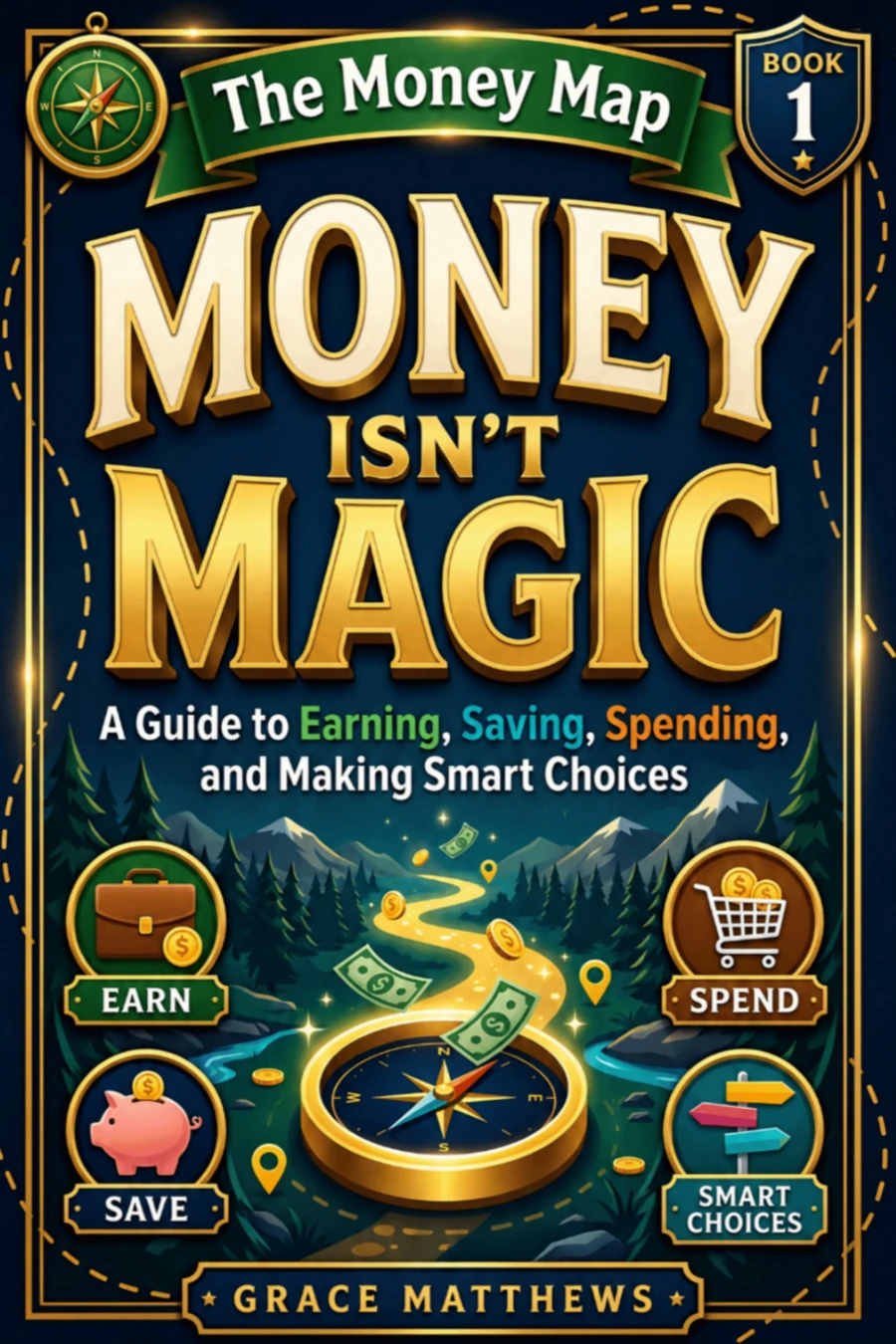
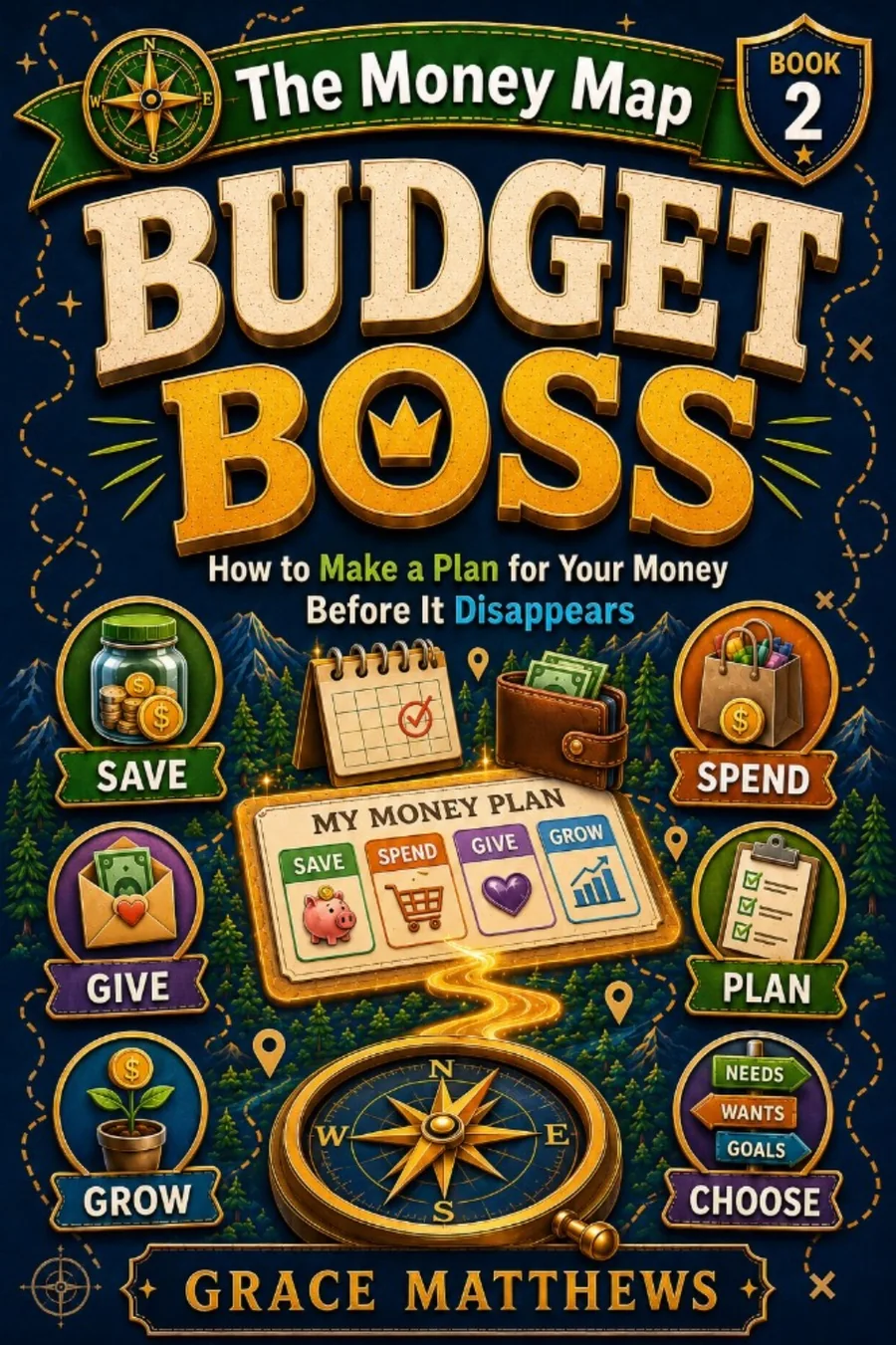
Build confidence with earning, saving, spending, budgeting, and making thoughtful choices for today and the future.
Quick Discoveries
Tap any card for a short explanation, a simple activity, and the book that inspired the topic.
The hard outer enamel protects the tooth. Under it is dentin, which makes up much of the tooth. At the center is the pulp, where nerves and blood vessels help keep the tooth alive. The roots hold the tooth securely in the jaw.
A quick swipe can miss the backs of teeth, the chewing surfaces, and the gumline. Dividing your mouth into four sections and spending about thirty seconds on each one can make brushing feel easier and more complete.
Sharp teeth can help grip or tear food, while flatter teeth are useful for crushing and grinding. Some animals have several types of teeth because they eat many kinds of food. Tooth shape gives scientists clues about how an animal lives.
Chewing tough foods, rubbing teeth against objects, grooming, and working with helpful birds or fish can all play a role. These habits are not the same as human dental care, but they show how animals adapt to their environments.
A simple budget lists money coming in and gives each part a purpose, such as spending, saving, giving, or preparing for a goal. It does not have to be perfect. It is a tool for making choices before the money disappears.
Needs are things that support health, safety, and daily life. Wants are extras that can make life more enjoyable. Learning to tell the difference helps you decide what comes first while still leaving room for fun.
Books Behind the Learning
Each collection blends useful information with approachable explanations, memorable examples, or imaginative storytelling.
Healthy Smiles
Stories, facts, and friendly explanations that make dental health less intimidating and more interesting.
Animal Discovery
Travel through the animal kingdom and discover how teeth can become tools for eating, building, defense, and survival.
Money Skills
Practical guidance that helps young readers understand money and build habits they can use as they grow.
Learn by Playing
Every Dollar Has a Job turns the core Money Map lesson into a strategy game. Players assign money to needs, goals, emergencies, fun, giving, and the future before choices and surprises test the plan.
Fast-Paced Money Practice
Money Control Center is the arcade companion to the Money Map series. Players route incoming money, cover bills before their deadlines, protect savings, and use emergency tools when the plan gets crowded.
For Families & Classrooms
These resources are designed to make useful ideas feel approachable, memorable, and fun for children, families, caregivers, and educators. Readers can explore at their own pace and use the books as a starting point for conversation.
Educational content is general in nature. Families should follow guidance from their own dental, health, or financial professionals when making personal decisions.
Learn more about Grace Matthews Books